
Red Wine Explained: A Complete Guide to Choosing, Tasting, and Enjoying It
Posted on by RickieRed wine is one of the world’s most beloved beverages—and one of the most misunderstood. Whether you’re a curious beginner or a seasoned enthusiast looking to sharpen your palate, understanding red wine can transform the way you shop, dine, and entertain. This comprehensive guide breaks down everything you need to know, from grape varieties and production methods to tasting techniques and food pairings.
What Is Red Wine, Exactly?
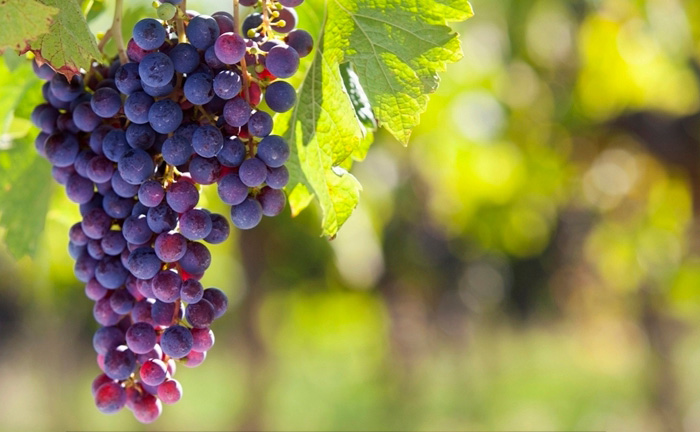
At its core, red wine is fermented grape juice made primarily from dark-skinned grape varieties. Unlike white wine, which is typically pressed before fermentation, red wine undergoes fermentation with the grape skins, seeds, and sometimes stems intact. This contact—known as maceration—extracts color, tannins, and flavor compounds, giving red wine its characteristic depth, structure, and complexity.
The color spectrum ranges from pale ruby to deep, opaque purple, depending on the grape variety, skin contact time, and aging process. Common red grape varieties include Cabernet Sauvignon, Merlot, Pinot Noir, Syrah/Shiraz, Zinfandel, and Sangiovese, each offering a distinct personality.
How Red Wine Is Made
Red winemaking follows a fairly consistent arc, though skilled winemakers adjust each step to shape style and quality:
1. Harvesting: Grapes are picked at optimal ripeness, balancing sugar, acid, and flavor development.
2. Crushing and Fermentation: Grapes are crushed, and yeast converts sugar into alcohol. Skin contact during fermentation builds color and tannin.
3. Pressing: After fermentation, the wine is separated from the skins and solids.
4. Aging: The wine matures in stainless steel, oak barrels, or concrete vessels. Oak aging can add notes of vanilla, spice, and toast while softening tannins.
5. Bottling: After clarification and any blending, the wine is bottled for release.
Key Characteristics: Tannin, Acidity, and Body
To appreciate red wine, it helps to understand three structural elements:
– Tannin: The drying, grippy sensation on your gums and tongue. Tannins come from skins, seeds, and oak, and they contribute to a wine’s ageability. Cabernet Sauvignon and Nebbiolo are famously tannic; Pinot Noir is notably gentle.
– Acidity: The refreshing tartness that keeps wine lively and food-friendly. Wines from cooler climates tend to be higher in acidity.
– Body: The weight and texture of the wine on your palate—think skim milk versus whole milk. Full-bodied reds like Syrah feel rich and weighty, while light-bodied wines like Beaujolais feel delicate.
How to Taste Red Wine Like a Pro
Tasting wine is a skill anyone can develop. Follow these steps:
1. Look: Tilt the glass against a white background. Note the color and clarity—a garnet hue may suggest age, while a purple rim hints at youth.
2. Swirl: This aerates the wine and releases aromas.
3. Smell: Take a quiet sniff, then a deeper one. Look for fruit, floral, earthy, or spice notes.
4. Sip: Take a small sip and let it coat your palate. Notice sweetness, acidity, tannin, and body.
5. Assess the finish: How long do the flavors linger? A long, pleasant finish often signals quality.
Pairing Red Wine with Food
Food pairing doesn’t need to be intimidating. A few reliable principles:
– Match weight: Light-bodied reds (Pinot Noir, Beaujolais) suit poultry, salmon, and mushroom dishes. Full-bodied reds (Cabernet Sauvignon, Malbec) stand up to steak, lamb, and rich stews.
– Balance tannin with fat and protein: Tannic wines soften beautifully alongside fatty foods.
– Consider acidity: High-acid wines like Chianti cut through tomato-based sauces and cured meats.
– Spice calls for lower alcohol: With spicy dishes, choose fruit-forward, lower-alcohol reds to avoid amplifying heat.
Serving and Storage Tips
– Serve at the right temperature: Light reds shine at 55–60°F; fuller reds at 60–68°F. Room temperature is often too warm.
– Let it breathe: Decanting young, tannic wines for 30–60 minutes can soften them and open aromas.
– Store properly: Keep bottles in a cool, dark place, ideally at 55°F, away from vibration and light. Lay bottles horizontally if using cork closures.
Common Red Wine Myths, Debunked
– “Red wine must be expensive to be good.” Excellent values abound from regions like Portugal, Spain, and South America.
– “Sulfites cause headaches.” Sulfite sensitivity is rare; other factors like alcohol and histamines are more likely culprits.
– “Older is always better.” Most red wines are made to be enjoyed within a few years of release.
Conclusion
Red wine rewards curiosity. By understanding how it’s made, learning its key characteristics, and practicing mindful tasting, you can navigate any wine list or shop shelf with confidence. Start with approachable styles, experiment with different regions and grapes, and let your palate guide you. Whether you’re pairing a bold Cabernet with a weekend steak or savoring a delicate Pinot Noir by the fire, red wine offers endless discovery—one glass at a time.
Tags: Guide, red, red wine, Tips, Wine
Copyright © 2026 Top Red Wine All rights reserved. .