
Zinfandel Wine Explained: A Complete Guide to California’s Boldest Red
Posted on by RickieZinfandel wine is one of the most distinctive and beloved red wines in the world—and one of the most misunderstood. Known for its bold fruit flavors, generous alcohol, and remarkable versatility, Zinfandel has become a signature grape of California, even though its roots trace back to the Adriatic coast of Croatia. Whether you’re a curious beginner or a seasoned collector, understanding Zinfandel wine opens the door to a category of reds that can be both powerful and surprisingly elegant. This guide explores the grape’s history, flavor profile, styles, food pairings, and practical tips for buying and serving it.
The Origins and History of Zinfandel
Zinfandel’s story is one of migration and mystery. For decades, its origins were unknown, but modern DNA research revealed that the grape is identical to Croatia’s Tribidrag (also called Crljenak Kaštelanski) and is closely related to Italy’s Primitivo. The grape arrived in the United States in the early 19th century and flourished during the California Gold Rush, when thirsty miners created enormous demand for hearty red wine.
By the late 19th century, Zinfandel was one of California’s most widely planted grapes. It survived Prohibition partly because many vineyards were replanted with other crops—yet some of the oldest Zinfandel vines in existence, planted well over a century ago, still produce fruit today. These “old vine” vineyards yield small quantities of intensely concentrated grapes and are a point of pride for California winemakers.
What Does Zinfandel Wine Taste Like?
Zinfandel is a chameleon. Its flavor profile shifts dramatically depending on ripeness at harvest, vineyard site, and winemaking style. In general, you can expect:
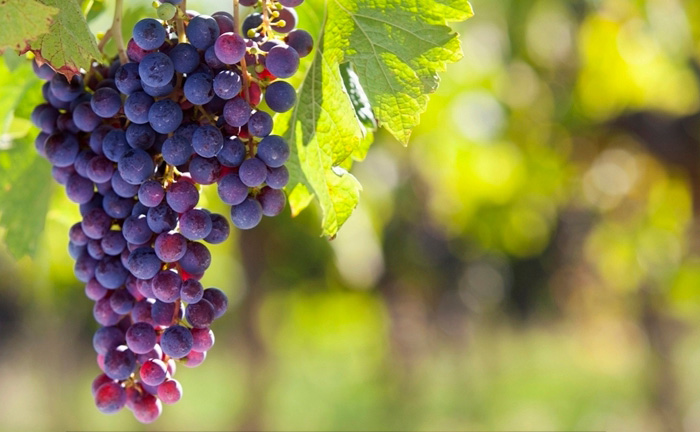
– Aromas and flavors: Ripe blackberry, raspberry, cherry, plum, and jammy fruit, often layered with black pepper, cinnamon, clove, and dried herbs
– Structure: Medium to full body, moderate acidity, and soft to moderate tannins
– Alcohol: Frequently high—often 14–16% ABV—which contributes to a rich, mouthfilling texture
– Oak influence: Many California Zinfandels see aging in American or French oak, adding vanilla, baking spice, and toast notes
The grape’s thin skins and uneven ripening can produce wines with a slight “jammy” character, though top producers balance this with freshness and structure.
The Many Styles of Zinfandel
One of Zinfandel’s greatest strengths is its range of styles:
1. Bold, Jammy California Zinfandel
The classic style: ripe, opulent, and high in alcohol, often from warmer regions like Paso Robles and parts of Sonoma. These wines pair beautifully with barbecue and grilled meats.
2. Elegant, Cool-Climate Zinfandel
From cooler sites such as Sonoma’s Russian River Valley or coastal vineyards, these wines show brighter acidity, red fruit, and peppery spice—closer in spirit to Pinot Noir or cool-climate Syrah.
3. Old Vine Zinfandel
Produced from vineyards 50–100+ years old, these wines tend to be deeply concentrated, complex, and age-worthy, with layered fruit and earthy undertones.
4. White Zinfandel
A sweet, pink rosé made by limiting skin contact. While often dismissed by serious wine lovers, quality dry rosé of Zinfandel has gained respect and is excellent with summer fare.
5. Late Harvest and Port-Style Zinfandel
Sweet dessert wines made from late-picked or fortified grapes, offering rich dried-fruit and chocolate notes.
Zinfandel Around the World
While California is Zinfandel’s spiritual home—with regions like Dry Creek Valley, Lodi, Paso Robles, and Amador County producing standout bottlings—the grape also thrives elsewhere. Italy’s Primitivo from Puglia makes rich, fruity reds that are close cousins to California Zinfandel. Croatia continues to produce Tribidrag from its historic coastal vineyards. In Australia, plantings labeled as Zinfandel remain small but are growing in interest.
Food Pairing with Zinfandel Wine
Zinfandel’s bold fruit and moderate acidity make it a natural partner for flavorful, hearty dishes:
– Barbecue: Ribs, brisket, and burgers—Zinfandel is practically the official wine of American BBQ
– Grilled and roasted meats: Steak, lamb, and sausage
– Spiced cuisines: Mexican dishes, Indian curries, and Cajun fare
– Aged cheeses: Cheddar, Gouda, and smoked cheeses
– Tomato-based dishes: Pizza and rich pasta sauces
For elegant, cool-climate styles, try roast chicken, mushroom dishes, or charcuterie.
Tips for Buying and Serving Zinfandel
– Look for balance: High alcohol can overwhelm; seek producers who prioritize freshness alongside ripeness.
– Check the label: “Old Vine” is unregulated but often signals quality; single-vineyard bottlings are worth exploring.
– Serve at the right temperature: 60–65°F (15–18°C) for red Zinfandel—slightly cooler than many drinkers expect.
– Decant young, bold wines: 30–60 minutes of aeration softens tannins and opens aromatics.
– Age with confidence: Top old-vine Zinfandels can improve for 5–10 years or more.
Conclusion
Zinfandel wine deserves far more attention than it often receives. It bridges the gap between approachable everyday reds and serious, age-worthy wines, offering bold fruit, spice, and a distinctly American winemaking heritage. From jammy California classics to elegant cool-climate expressions and Italy’s Primitivo, there is a Zinfandel for nearly every palate and occasion. Whether you’re firing up the grill or exploring old-vine treasures, Zinfandel wine rewards curiosity—and once you understand it, you’ll likely find yourself reaching for it again and again.
Tags: Guide, red wine, Tips, Wine, zinfandel, zinfandel wine
Copyright © 2026 Top Red Wine All rights reserved. .