
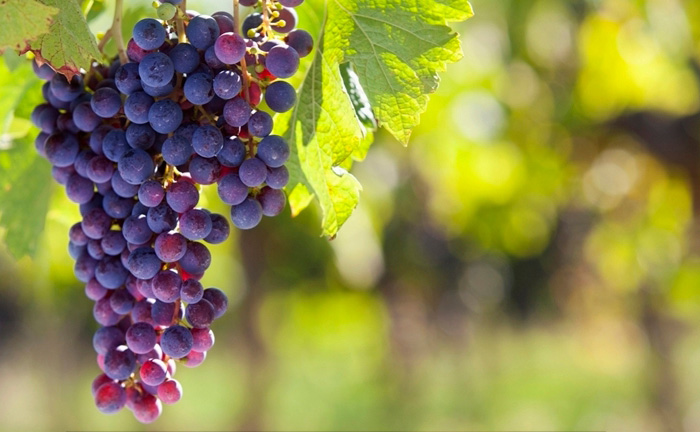
The Aging Potential of Cabernet Sauvignon Wines: A Testament to Time and Terroir Few wines in the world command the reverence and cellar space afforded to a great Cabernet Sauvignon
Posted on by RickieThis noble red grape, the cornerstone of Bordeaux and Napa Valley’s most celebrated bottles, possesses a remarkable capacity to evolve, improve, and mesmerize over decades. Its aging potential is not merely a feature; it is the very essence of its prestige. Understanding why and how Cabernet Sauvignon ages so gracefully requires a journey into its structural backbone, the influence of its origin, and the alchemy that occurs within the bottle.
The Anatomical Blueprint for Longevity
The secret to Cabernet Sauvignon’s legendary aging ability lies in its intrinsic chemical composition:
* High Tannin Structure: Cabernet Sauvignon is naturally rich in tannins—polyphenolic compounds extracted from grape skins, seeds, and stems during fermentation. These act as a natural preservative and provide the wine’s textural framework. Initially, they can be grippy and astringent. With time, they polymerize, forming longer chains that settle out as sediment, softening the wine’s mouthfeel and allowing other complexities to shine.
* Pronounced Acidity: A solid level of acidity is the engine of aging. It provides freshness and balance, preventing the wine from tasting flat or flabby as its primary fruit flavors recede. It acts as a stabilizing force throughout the aging process.
* Concentrated Flavor & Alcohol: Grown in ideal conditions (ample sun, limited water), Cabernet develops deep concentrations of flavor compounds and sufficient alcohol. Both contribute to the wine’s body and extract, giving it the material needed for a long, transformative life.
The Evolution in the Glass:
A Flavor Timeline
A well-aged Cabernet Sauvignon tells a story of metamorphosis:
* Youth (1-5 years): The wine is primary and powerful. Aromas and flavors are dominated by bold, ripe fruit: blackcurrant (cassis), black cherry, plum, and often notes of fresh herbs, green bell pepper (pyrazines), or mint. The tannins are prominent and drying, the oak influence (vanilla, toast, cedar) is distinct, and the wine is full of vigorous energy.
* Developing Phase (5-15 years): The wine begins to integrate. The harsh edges of tannin and oak soften, marrying with the fruit. Primary fruit notes start to transition toward secondary, savory characteristics: stewed plum, dried blackberry, tobacco leaf, leather, and earthy undertones emerge. The wine becomes more harmonious and complex.
* Full Maturity (15-30+ years): In great vintages from top producers, the wine reaches its peak tertiary phase. The fruit becomes a whisper in the background, giving way to a profound symphony of aromas: cigar box, forest floor, truffle, graphite, dried leaves, and savory spices. The texture is silky, seamless, and utterly compelling. The experience is less about fruit and more about nuance, elegance, and a haunting complexity that only time can bestow.
Critical Factors Influencing Aging Potential
Not all Cabernet Sauvignon is created equal for the long haul. Several key factors determine its ceiling:
1. Vineyard & Vintage (Terroir & Climate):
* *Terroir:* Wines from renowned, well-drained sites with low-vigor soils (like the gravel of Bordeaux’s Left Bank or the benchlands of Napa) produce smaller berries with thicker skins, leading to greater concentration and structure.
* *Vintage Conditions:* A vintage with a long, steady growing season that achieves full phenolic ripeness (ripe tannins and seeds) without excessive heat or rain is paramount. Balanced vintages create wines built for aging.
Decisions in the cellar are crucial. Careful extraction, appropriate use of new oak for structure (without overwhelming), and a commitment to balance over sheer power all contribute to a wine’s aging blueprint. Minimal filtration helps preserve the wine’s structural components.
This is the non-negotiable variable. Even the greatest wine will fail if poorly stored. Ideal conditions are consistent: a temperature of 55°F (13°C), humidity around 70%, darkness, and stillness. Temperature fluctuations are the single greatest enemy of aged wine.
Global Perspectives on Aging Cabernet
While the aging paradigm was defined by Bordeaux, the New World has established its own illustrious timelines:
* Bordeaux, France: The classic model. Left Bank blends (Cabernet-dominant) from top châteaux in great vintages (e.g., 1982, 1990, 2000, 2009, 2010, 2015, 2016) can age effortlessly for 30-50+ years. They often demand a longer wait to reach approachability.
* Napa Valley, USA: Known for riper, more opulent fruit and softer tannins in their youth. The best examples from sub-appellations like Stags Leap District, Rutherford, and Howell Mountain possess the density and structure to age magnificently for 20-40 years, developing incredible complexity.
* Other Notable Regions: Premium examples from Coonawarra (Australia), Maipo Valley (Chile), Stellenbosch (South Africa), and Tuscany (Italy, as in “Super Tuscans”) also demonstrate formidable aging potential, often offering a more accessible drinking window earlier in life.
Conclusion:
Patience Rewarded
The aging potential of Cabernet Sauvignon is a dialogue between nature’s gift and human craftsmanship. It is a promise of future revelation. To open a mature bottle is to taste history, geology, and climate captured in a moment of time. While modern styles offer delicious early drinkability, the soul of Cabernet Sauvignon is truly unlocked with patience. For the collector and the contemplative drinker, there are few greater pleasures than witnessing this king of grapes complete its majestic, slow-motion transformation in the dark quiet of the cellar.
Tags: afforded, Aging, Cabernet, Cellar, command, Great, Potential, reverence, Sauvignon, Space, Terroir Few, Testament, Time, Wines, World
Copyright © 2026 Top Red Wine All rights reserved. .