
Merlot Wine Demystified: The Complete Guide to the World’s Most Misunderstood Red
Posted on by RickieMerlot wine has a reputation problem. Dismissed by some as a “beginner’s red” and overshadowed by its flashier Bordeaux sibling Cabernet Sauvignon, Merlot is often underestimated—yet it remains one of the most widely planted and beloved grape varieties on the planet. From the plush, fruit-forward reds of Napa Valley to the structured, age-worthy blends of Bordeaux’s Right Bank, Merlot wine offers far more complexity and versatility than its critics admit. Whether you’re a curious newcomer or a seasoned collector looking to deepen your understanding, this guide covers everything you need to know about Merlot wine: its history, flavor profile, key regions, food pairings, and how to choose the right bottle.
What Is Merlot Wine?
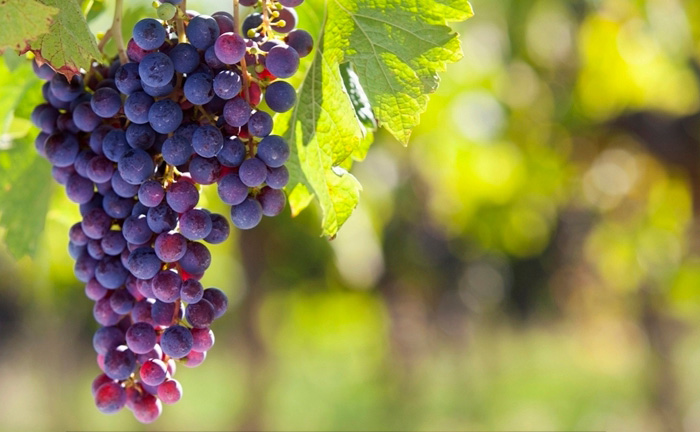
Merlot is a dark-skinned red grape variety that produces wines ranging from medium to full-bodied, characterized by soft tannins, moderate acidity, and generous fruit flavors. The name is thought to derive from the French word merle, meaning “blackbird”—possibly a nod to the grape’s dark color or the birds’ fondness for the fruit. As a blending grape and a standalone varietal, Merlot plays a starring role in some of the world’s most prestigious wines, particularly in Bordeaux, where it dominates the Right Bank appellations of Saint-Émilion and Pomerol.
The Flavor Profile of Merlot Wine
Merlot wine is prized for its approachability. Typical tasting notes include:
– Dark fruit: plum, black cherry, blackberry, and ripe raspberry
– Secondary notes: cocoa, mocha, cedar, and dried herbs
– Aging characteristics: leather, tobacco, and truffle in mature bottles
Compared to Cabernet Sauvignon, Merlot tends to be softer and rounder, with lower tannins and higher alcohol. Cooler-climate expressions (such as those from Bordeaux or northern Italy) show more structure and herbal nuance, while warmer-climate Merlots (think California or Chile) deliver riper, jammier fruit. This stylistic range makes Merlot wine remarkably food-friendly and accessible.
Key Regions for Merlot Wine
Bordeaux, France. Merlot is the most planted grape in Bordeaux, where it is typically blended with Cabernet Sauvignon and Cabernet Franc. The Right Bank wines of Pomerol and Saint-Émilion—including legendary labels like Pétrus and Château Cheval Blanc—demonstrate Merlot’s capacity for power, elegance, and long-term aging.
Napa Valley and Sonoma, USA. California Merlot gained massive popularity in the 1990s, offering lush, fruit-driven wines with velvety texture. After a brief dip in reputation following the 2004 film Sideways, quality-focused producers have restored Merlot’s standing with elegant, balanced bottlings.
Chile and Argentina. South America delivers exceptional value. Chilean Merlot from the Central Valley and Colchagua regions offers ripe plum flavors at accessible prices, while Argentine Merlot thrives in Mendoza’s high-altitude vineyards.
Italy. In Tuscany and Friuli, Merlot is used both in blends and as a varietal, producing distinctive wines with herbal and earthy character.
How to Pair Merlot Wine with Food
Merlot’s soft tannins and moderate acidity make it one of the most versatile red wines at the table. Consider these pairings:
– Roast chicken or duck — the wine’s fruitiness complements richer poultry dishes
– Grilled steak and lamb — Merlot’s structure stands up to red meat without overwhelming it
– Mushroom risotto and truffle dishes — earthy notes in aged Merlot echo umami flavors
– Hard cheeses — aged cheddar, gouda, and Parmesan
– Tomato-based pastas — the wine’s acidity balances the sauce’s brightness
Avoid pairing Merlot wine with delicate seafood or very spicy dishes, which can clash with its fruit-forward profile.
Tips for Buying and Serving Merlot Wine
When shopping for Merlot, look beyond the label. Entry-level bottles from Chile and California offer excellent everyday value, while Bordeaux Right Bank and premium Napa bottlings reward cellaring. Check the alcohol level: warmer-climate Merlots often exceed 14.5% ABV, which signals a riper, bolder style.
Serve Merlot slightly below room temperature—around 60–65°F (15–18°C)—and decant younger, tannic examples for 30–60 minutes to soften their structure. Store bottles horizontally in a cool, dark place, and remember that quality Merlot wine can age gracefully for a decade or more.
Conclusion
Merlot wine deserves its place among the great reds of the world. Its soft tannins and generous fruit make it an ideal entry point for new wine drinkers, while its complexity in Bordeaux and beyond earns it the respect of collectors. Whether you’re enjoying a weeknight glass of Chilean Merlot or cellaring a Saint-Émilion for a special occasion, understanding this versatile grape unlocks a world of drinking pleasure. The next time you scan a wine list, don’t overlook Merlot—embrace it.
Tags: Guide, Merlot, merlot wine, red wine, Tips, Wine
Copyright © 2026 Top Red Wine All rights reserved. .