
Merlot Wine: The Ultimate Guide to the World’s Most Misunderstood Red
Posted on by RickieMerlot wine has a reputation problem. Thanks to a certain 2004 film, an entire generation of drinkers wrote off Merlot as boring, flabby, and forgettable. Yet the truth is far more compelling: Merlot is one of the most widely planted and versatile red grapes on Earth, the backbone of some of the world’s most expensive wines, and a gateway varietal for anyone learning to love red wine. Whether you’re a curious beginner or a seasoned collector, this guide will give you everything you need to understand, choose, and enjoy Merlot wine with confidence.
What Is Merlot Wine?
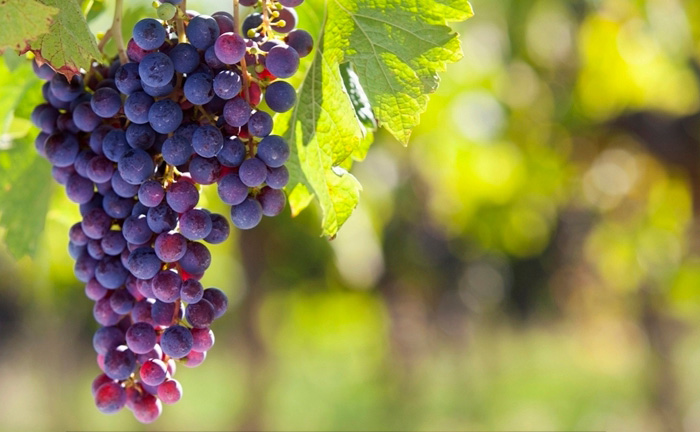
Merlot is a red wine grape variety that originated in the Bordeaux region of France, where it remains a key blending partner today. The name is thought to derive from the French word merle—a blackbird—possibly referencing the bird’s fondness for the grape. Merlot grapes are thin-skinned, relatively large, and ripen earlier than Cabernet Sauvignon, which makes them easier to grow in cooler climates and gentler in tannin.
The resulting wine is typically medium- to full-bodied, with soft, rounded tannins and a lush texture. Classic flavor notes include black cherry, plum, blackberry, and chocolate, often accented by bay leaf, cedar, or graphite as the wine ages.
The Two Faces of Merlot Wine
Understanding Merlot means recognizing its remarkable range, which falls into two broad styles.
The Bordeaux Blend Partner
In Bordeaux, Merlot is rarely bottled alone. On the Right Bank (think Saint-Émilion and Pomerol), it dominates blends and produces some of the most prestigious and expensive wines in the world—Pétrus, made almost entirely from Merlot, being the most famous example. Here, Merlot contributes plush fruit, silky texture, and earlier approachability to blends, while Cabernet Franc and Cabernet Sauvignon add structure and aromatic complexity.
The Single-Varietal Star
Elsewhere—particularly in the United States, Chile, Australia, and Italy—Merlot is frequently bottled on its own. These wines range from affordable, fruit-forward everyday bottles to serious, age-worthy expressions from regions like Napa Valley, Washington State, and Tuscany’s “Super Tuscan” movement.
Merlot Wine by Region
France (Bordeaux): Right Bank Merlots are structured, earthy, and built for aging, showing plum, violet, and truffle notes with time in bottle.
United States: California Merlot tends to be riper and more fruit-driven, with black cherry and mocha flavors. Washington State offers a compelling middle ground—ripe fruit balanced by bright acidity and firm structure.
Chile: One of the best value sources for Merlot wine, producing soft, plummy, approachable bottles at accessible prices.
Italy: In Tuscany, Merlot features in Super Tuscans such as Masseto and Ornellaia’s blends, demonstrating the grape’s capacity for power and elegance.
Australia: Often labeled simply as “Merlot,” these wines are generous and juicy, ideal for casual drinking.
How to Choose a Great Merlot Wine
When shopping for Merlot wine, consider your purpose:
– Everyday drinking: Look to Chile, Australia, or California’s Central Coast for fruit-forward bottles under $20.
– Food pairing: Choose a medium-bodied Merlot with moderate oak for versatility at the table.
– Special occasions: Explore Right Bank Bordeaux or premium Napa Valley bottlings for complexity and aging potential.
– Label literacy: In France, Merlot rarely appears on the label—look for “Saint-Émilion,” “Pomerol,” or generic “Bordeaux” instead.
Merlot Wine and Food Pairing
Merlot’s soft tannins and rounded fruit make it one of the most food-friendly reds. It shines with roast chicken, pork tenderloin, lamb, mushroom risotto, and tomato-based pasta dishes. Its approachable structure also makes it a natural match for burgers and grilled sausages—proof that Merlot wine is anything but pretentious.
Serving and Storing Merlot Wine
Serve Merlot slightly below room temperature—around 60–65°F (15–18°C)—to preserve its fruit character and soften any alcohol heat. Younger, fruit-driven bottles benefit from decanting for 30 minutes; structured Bordeaux-style Merlots may need an hour or more. Most everyday Merlots are best enjoyed within three to five years of vintage, while premium examples can age gracefully for a decade or longer.
Conclusion
Merlot wine deserves far better than its pop-culture reputation. It is a grape of extraordinary range—capable of producing both humble weeknight bottles and some of the most celebrated wines on the planet. Its soft tannins make it welcoming to newcomers, while its complexity in the Right Bank of Bordeaux rewards patient collectors. Whether you’re revisiting Merlot after years away or discovering it for the first time, the grape offers something rare: accessibility without compromise. Pour a glass, pair it with good food, and let Merlot wine prove the skeptics wrong.
Tags: Guide, Merlot, merlot wine, red wine, Tips, Wine
Copyright © 2026 Top Red Wine All rights reserved. .